The Pacific Steam Navigation Company (PSNC) in Panama and South America
October 18, 2026
Whilst visiting Liverpool a few months ago, I was intrigued to discover The Cornmarket Pub near the pier head adorned with wonderful memorabilia from Liverpool based shipping lines.
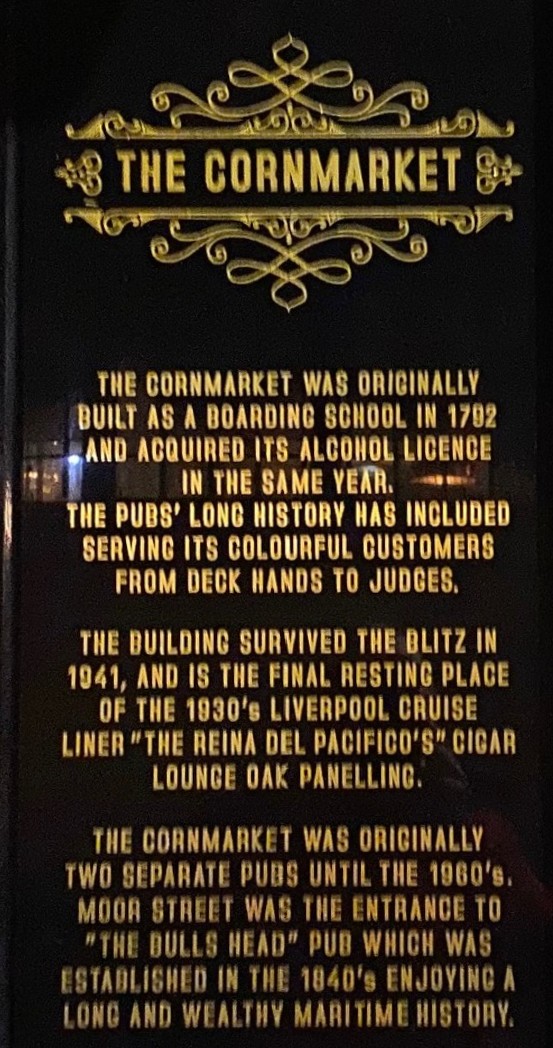

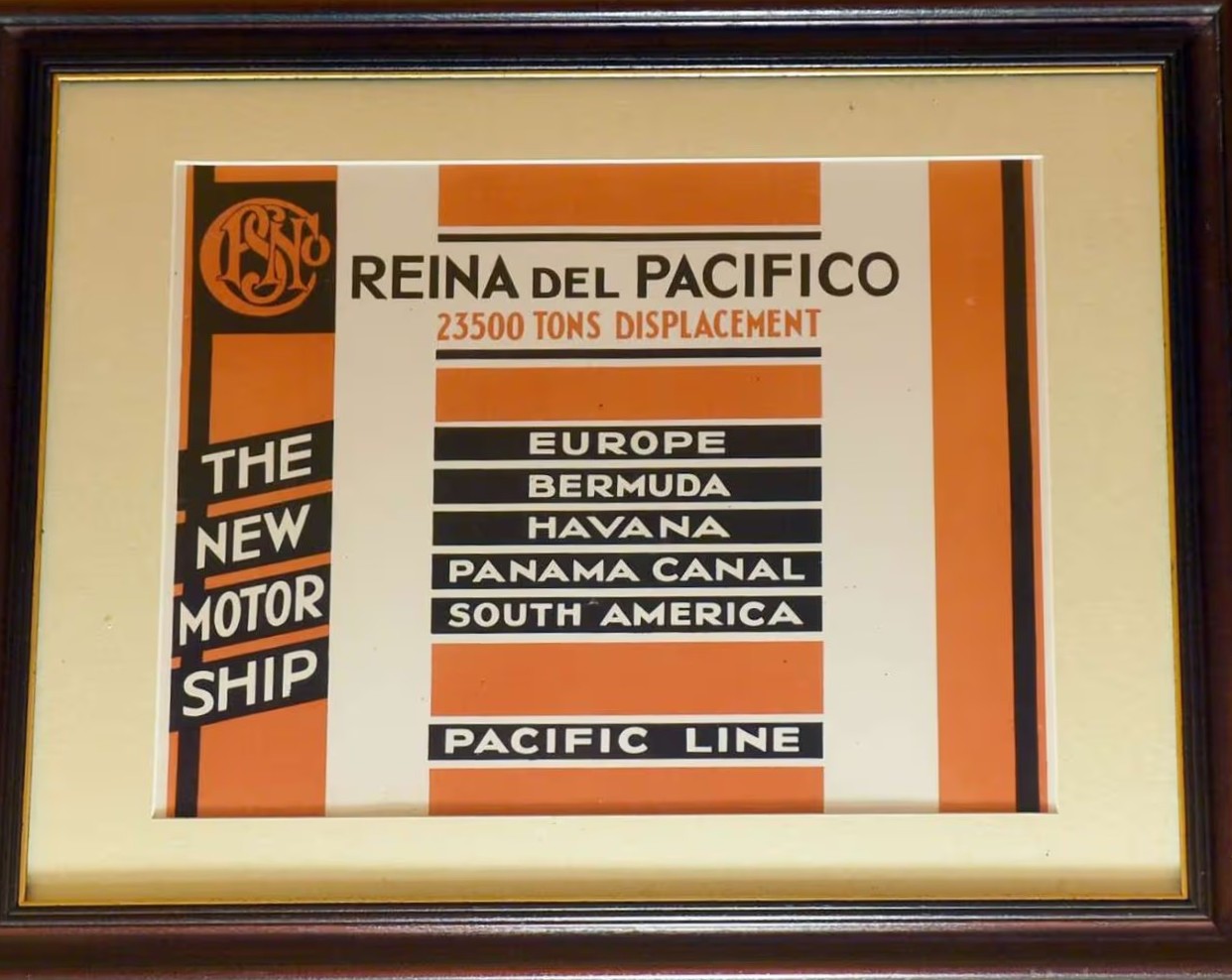

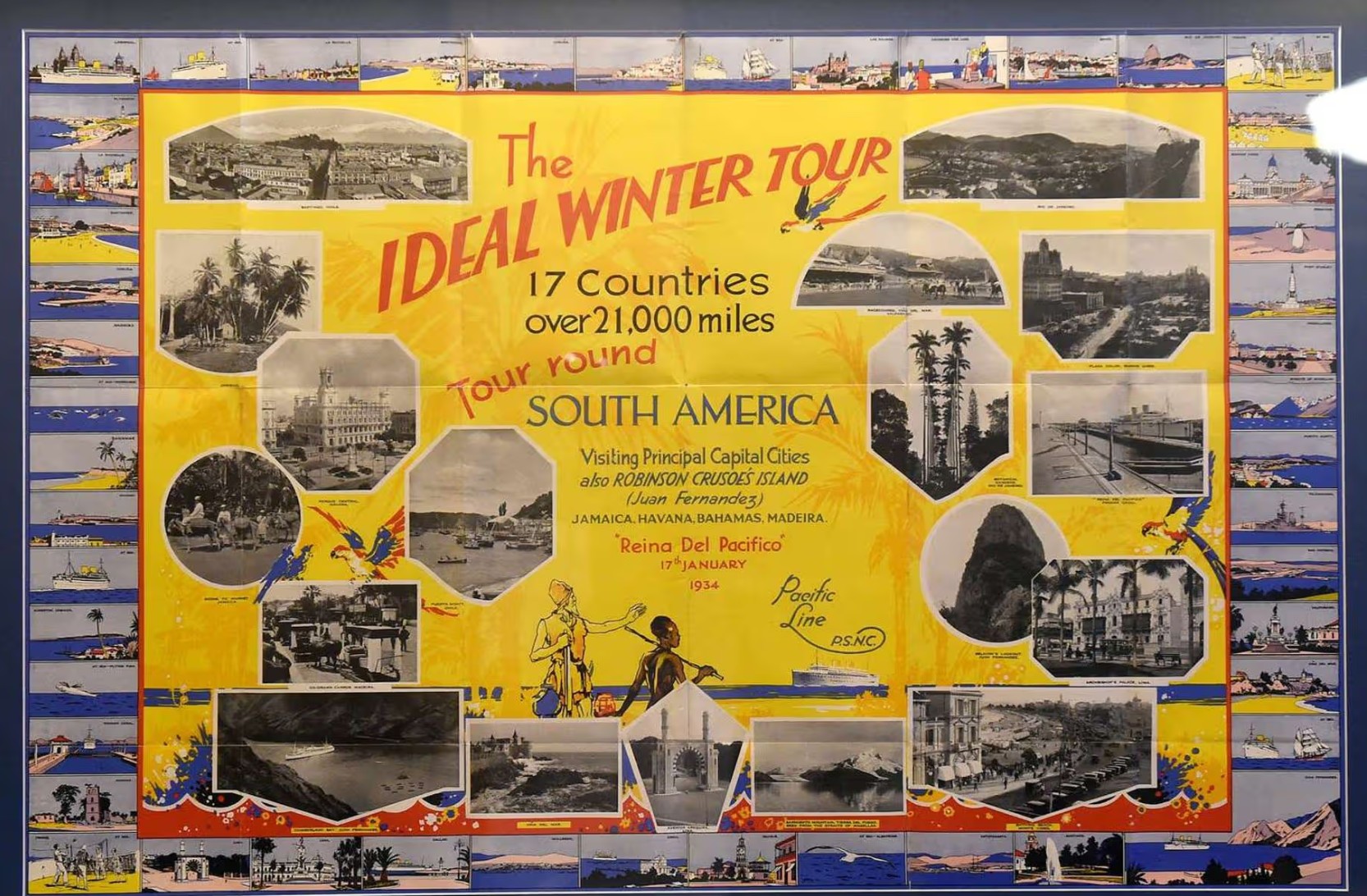

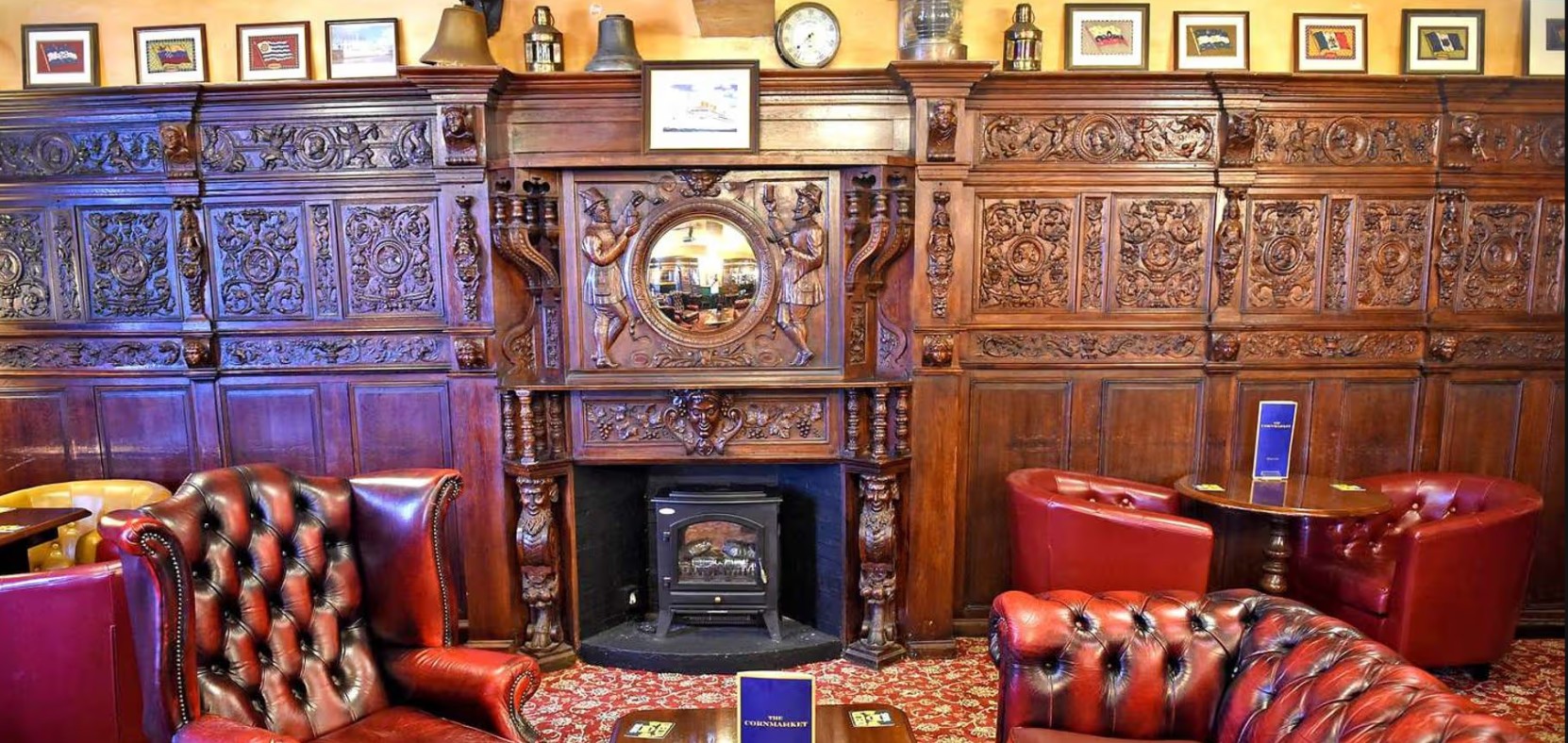

The Pacific Steam Navigation Company (PSNC) was represented particularly well with posters and the intricate carved woodwork saved from the Cigar/Lounge Room of the PSNC liner Reina Del Pacifico.
I started to research the PSNC, and discovered the line had an interesting and strong connection with the Panama Canal.
The PSNC was founded by an American William Wheelwright. Starting his career as a humble seaman, Wheelwright spent time in Ecuador and Chile. This led led to a visionary idea of a regular service along the western ports of South America. The internal infrastructure was undeveloped, so coastal travel was the quickest way. Starting with a small schooner, he soon realised the rapid development of steam driven vessels would be the way forward for a reliable service.
Strangely, American business interest in his idea was cool, so he found financial backers in the port of Liverpool, England for his new venture, and the Pacific Steam Navigation Company was established in 1838.
It would provide South American coastal travel, plus direct connections with the UK (Liverpool) via the Straits of Magellan.
After a slow start they grew to become one of the largest shipping companies in the world. Wheelwright and his successors shrewdly worked with businesses, and governments as well as negotiating periodic wars fought by the countries it served on its regular services stretching down the west coast of South America
PSNC’s unofficial name in this Spanish speaking region was The English Company.
In 1846 PSNC extended the West Coast of South America service up to Panama promoting new trade in people, cargo and mail between Panama, Columbia, Ecuador, Peru and Chile.
The challenge at this time would be crossing the Isthmus when you arrived. No roads or railways. However, well-trodden trails and a canoe trip along the Chagres would be the route to the Atlantic shore, where a connecting Royal Mail Steam Packet Company (RMS) vessel would provide your next passage onward to the Caribbean, and Europe.
The Panama Pacific coast also became an important repair yard for the expanding fleet, and PSNC purchased part of the island of Tabogo, and adjacent Isle del Morro in Panama Bay. Workshops and repair facilities were built together with a laundry.
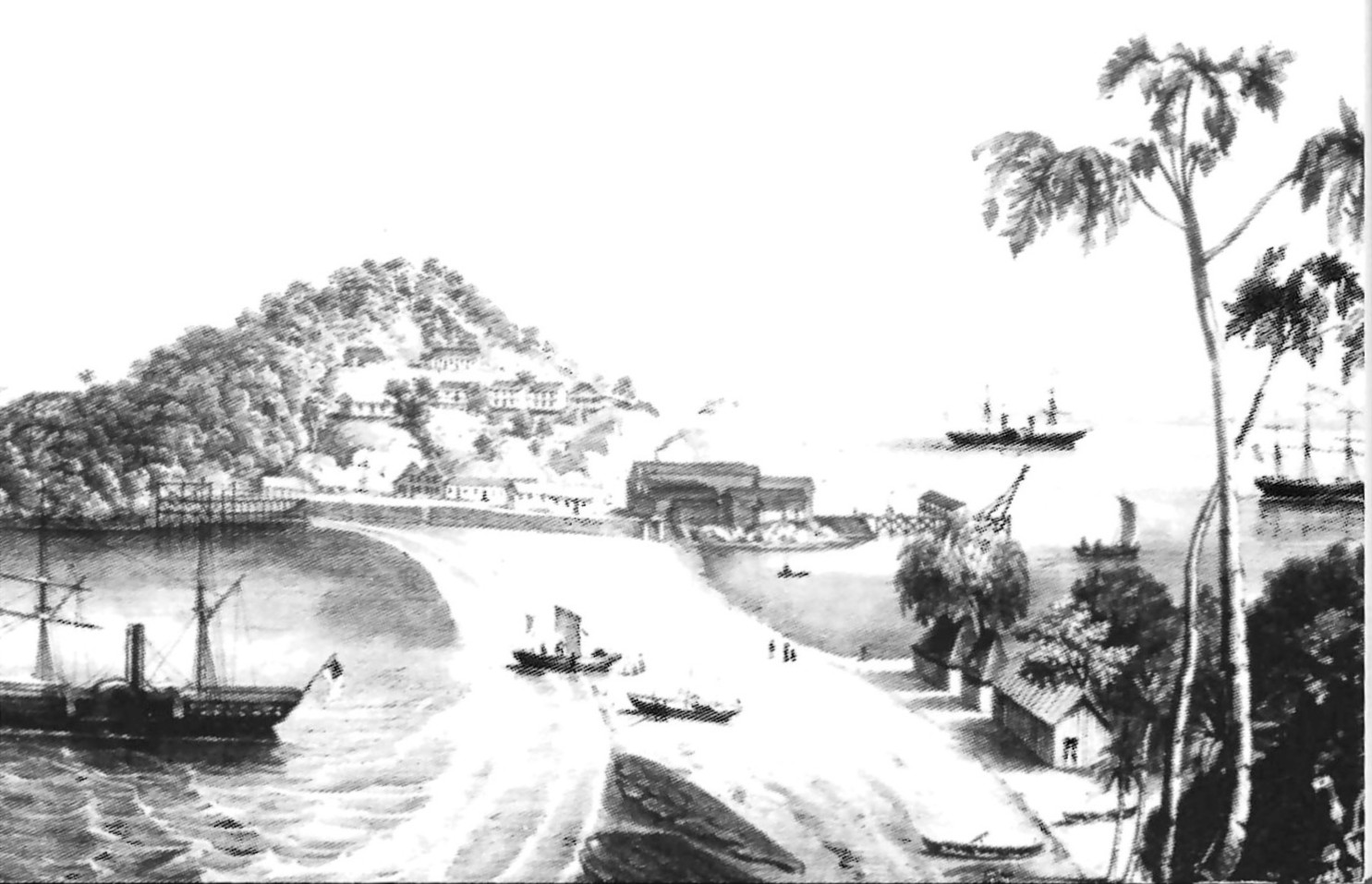

PSNC staff that died in service were buried on El Morro in a cemetery on the hill that can still be viewed to this day.
The land was sold back to Panama in 1945.
When I do get to Panama, a ferry trip to Taboga, and a trek at low tide to El Morro Island is high on the list.
Panama’s railway (The PRR) opening in 1855, proved a bonus and a hinderance. The mails, cargo and passengers arriving on the on the Pacific side could now smoothly connect to the Atlantic side where the trusty RMS steamers would be ready for the passengers/freight and mail for onward travel. The downside was the disagreements on the rates charged by the American owned railway. The directors of the PSNC proposed a three-way split of profits on the route. PSNC, RMS and the PRR. This was initially agreed, only for the directors of the railway to later decide against it.
PSNC’s business model changed. To connect to Europe focus was now moved onto the southerly Magellan straits route. PSNC still kept their trade up and down the South American West coast as well, stretching up to Panama. There's no definitive proof I can read that says the El Morro Workshops suffered, due to the switch of attention, however PSNC built and expanded a huge maintenance facility in Callao Peru, for its fleet, possibly at the expense of the El Morro yard. In 1910, four years before the canal opened RMS purchased PSNC, but continued to run it as a separate entity.
A similar pattern of good and bad fortune followed the Panama Canal opening in 1914. PSNC knew connecting Europe to core ports like Valparaiso was now 3000 miles closer using the new canal, and started to alter its schedules, even connecting the east coast of America for a short time. However other shipping lines (notably WR Grace Line from the US), introduced competition, which PSNC struggled to compete with.
The South and Central American coastal shipping trade continued, Two examples were the small PSNC cargo vessels Salvador and Acajutla. Both maintained a regular fortnightly schedule through the canal plying their coastal trade.
Salvador clocked up 779 transits of the Panama Canal between 1915-1946. For this feat the canal authorities issued a certificate in honour of the ship.
Commercially, as government and nationalistic pressure to give local shipping companies in Chile and Peru, more chance to compete, PSNC’s dominance began to fade. The link to Europe still continued with the liners Reina Del Pacifico, joined after WWII by Reina Del Mar. The Panama Canal being the regular route. After several years of downsizing, and mergers PSNC is no more. However, the line and its ships left an enduring legacy in South America, which can still be found.
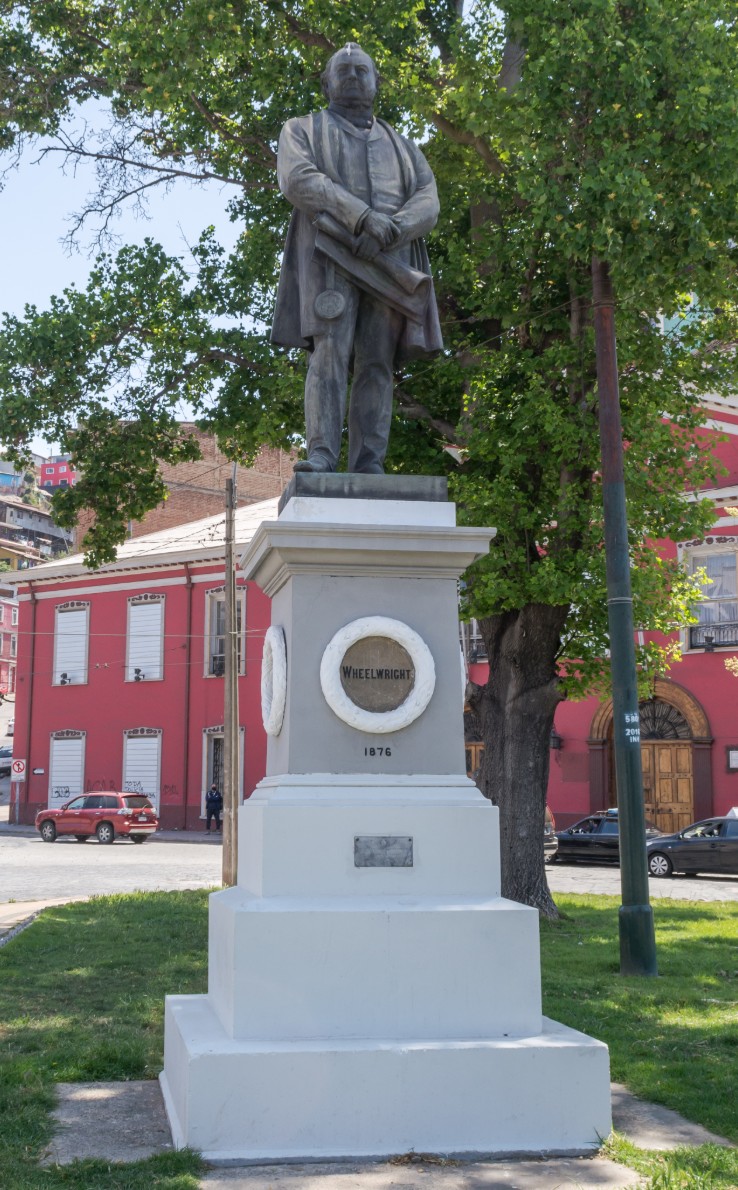

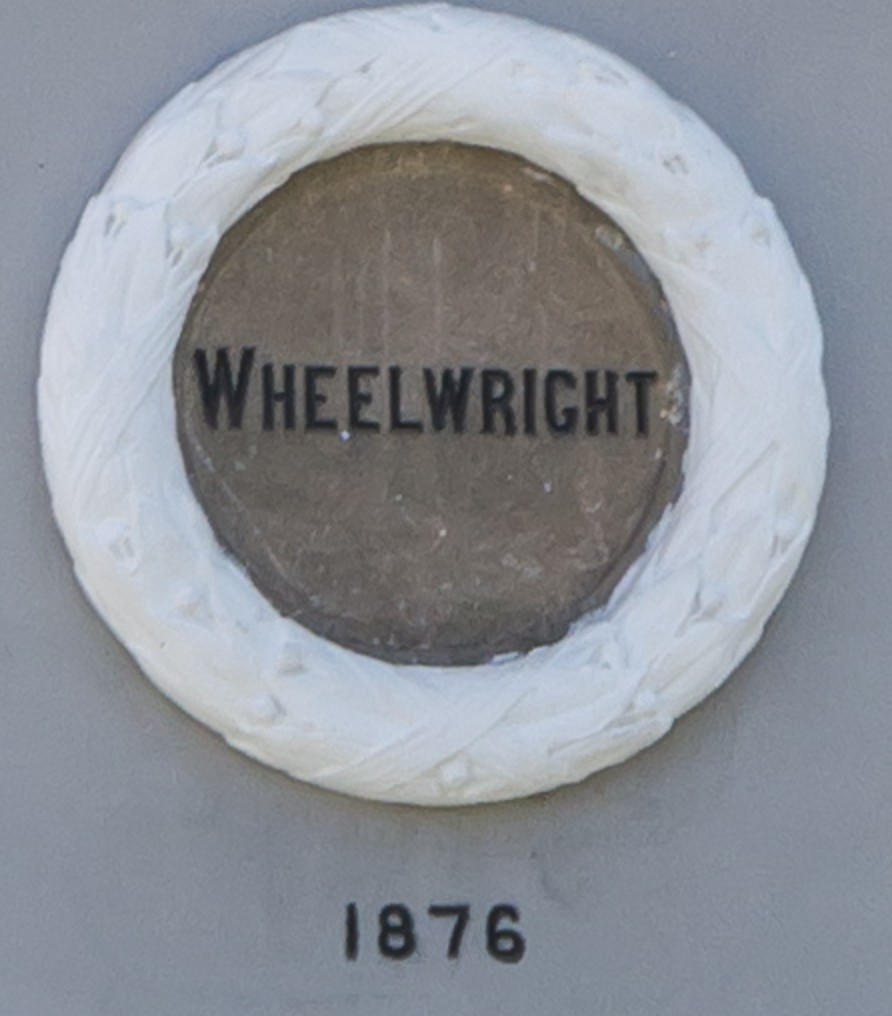

William Wheelwrights statue proudly sits in the port of Valparaiso, Chile on Le Plaza de la Aduana. A reminder of the PSNC and his vision to bring a reliable shipping service connecting South American ports on the west coast.
I found it easy to find evidence of their ships in the Canal Zone from my own collection.
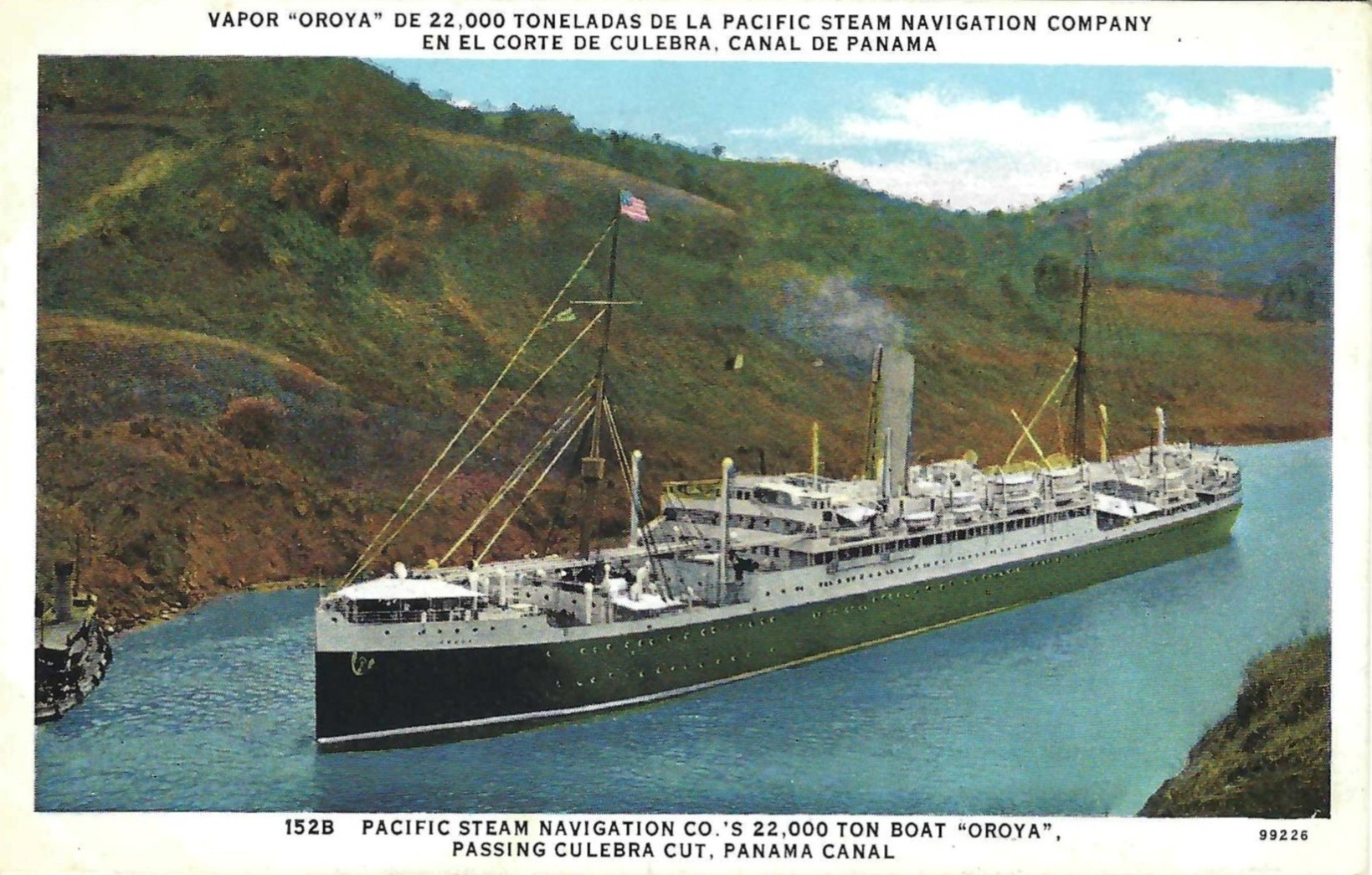

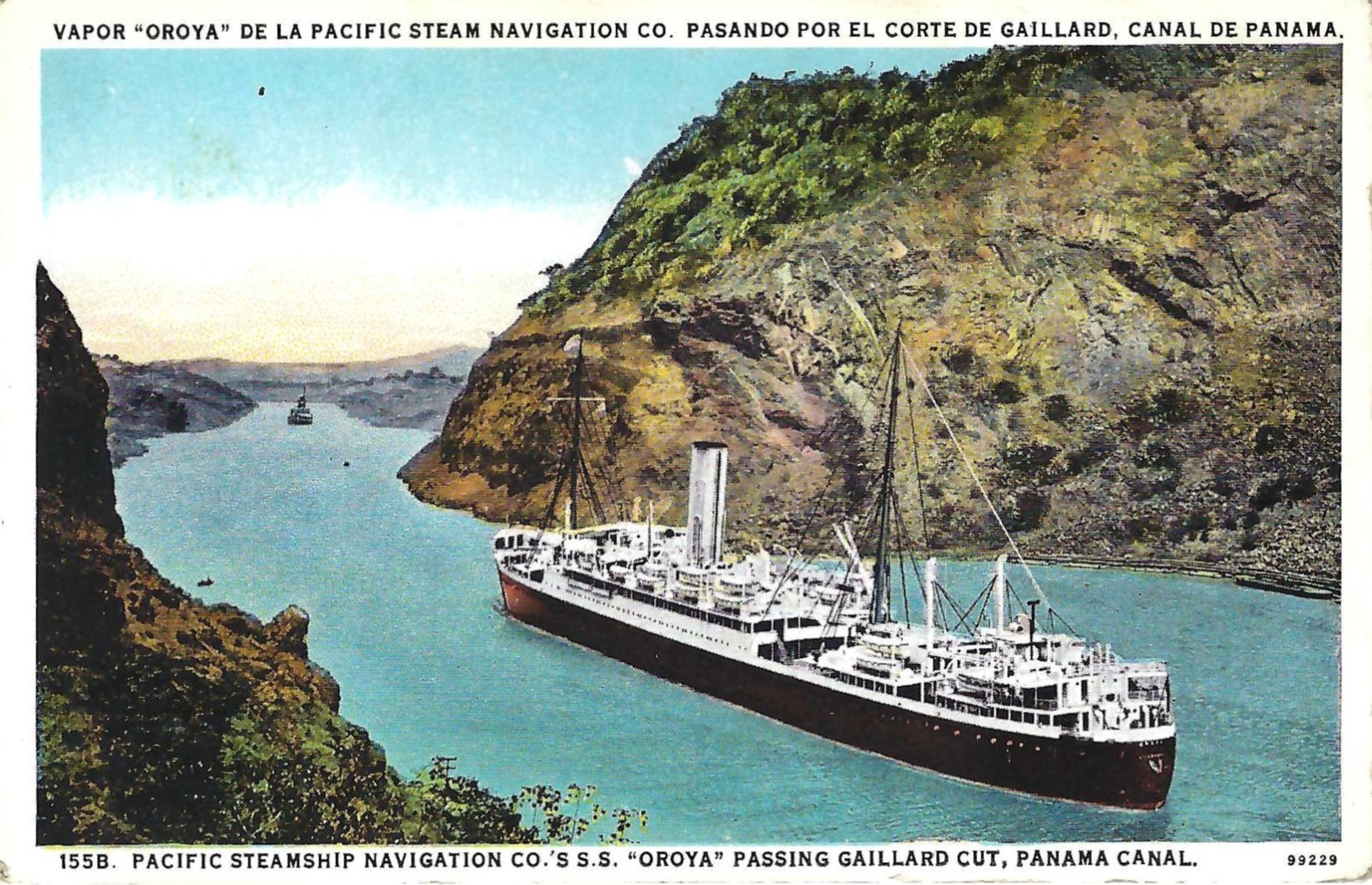

The cargo/liner SS Oroya heading northbound in two separate Maduro views pre-WWII. Strangely the term Gaillard Cut and Culebra Cut are interchanged on views that were probably taken around the same time
Post WWII two further views of the PSNC liners :
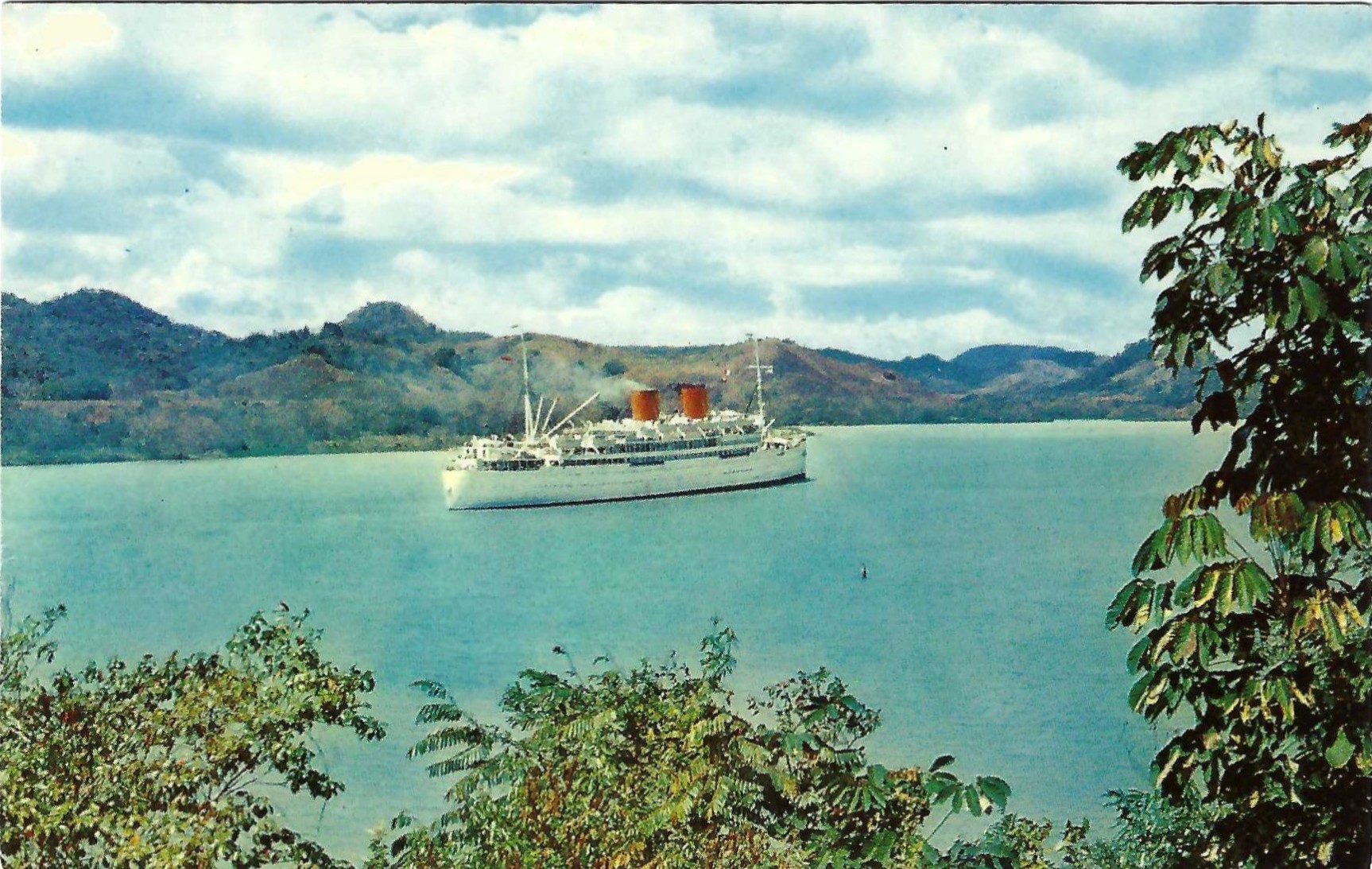

Reina Del Pacifico in Miraflores Lake
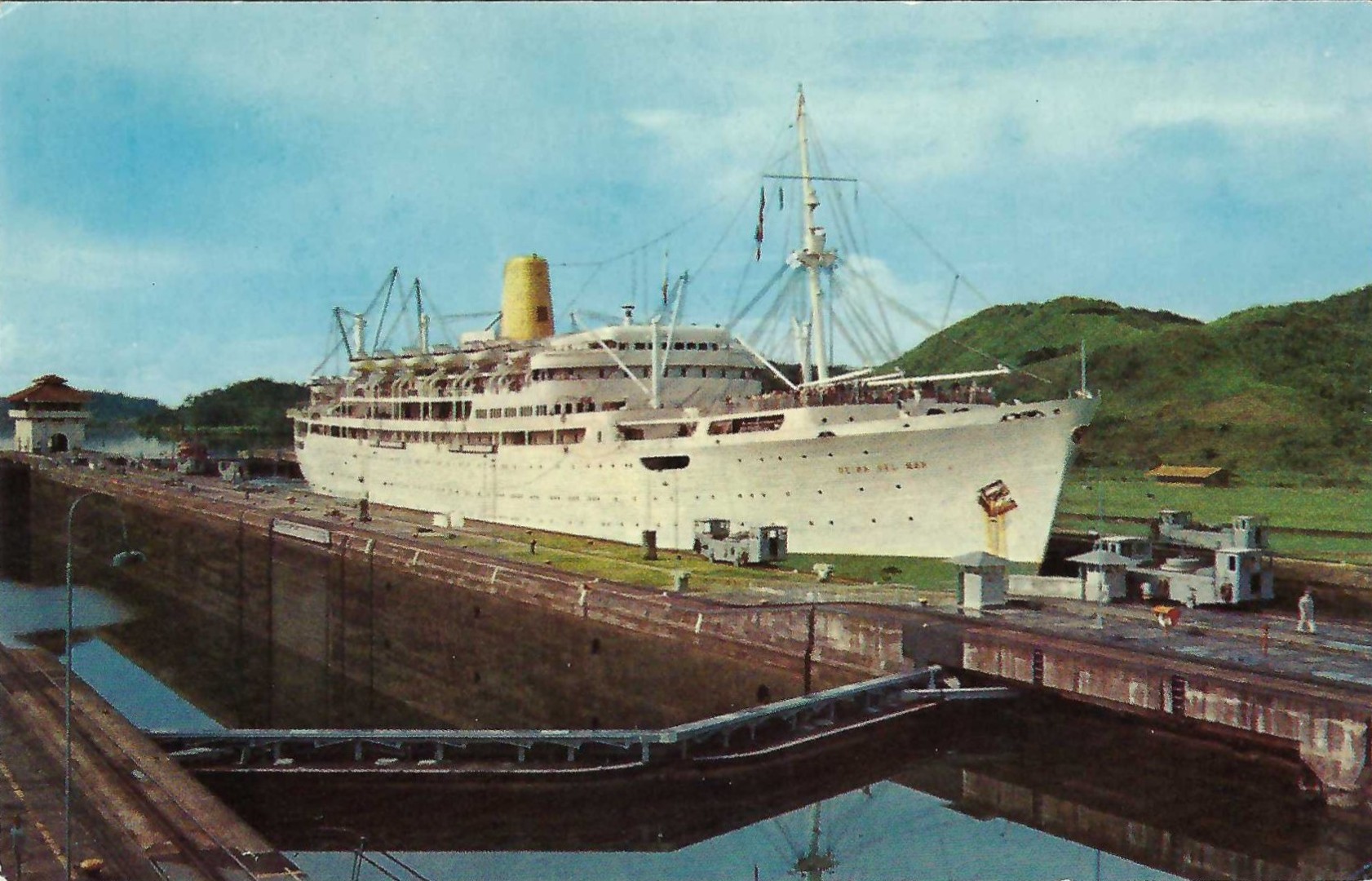

Reina Del Mar in Pedro Miguel Locks,
After discovering the Reina Del Pacifico's beautiful wood panelling I've looked more into the ship and her time in the Canal Zone. Started to work on a view of her coming into Balboa dry dock
https://www.panamacanalpostcards.com/projects-and-ideas/
I'm now on the lookout for more views of their vessels in the canal for future Fennessy postcards. And if anyone chancing on this blog knows more, on the PSNC and their history please drop me a line.
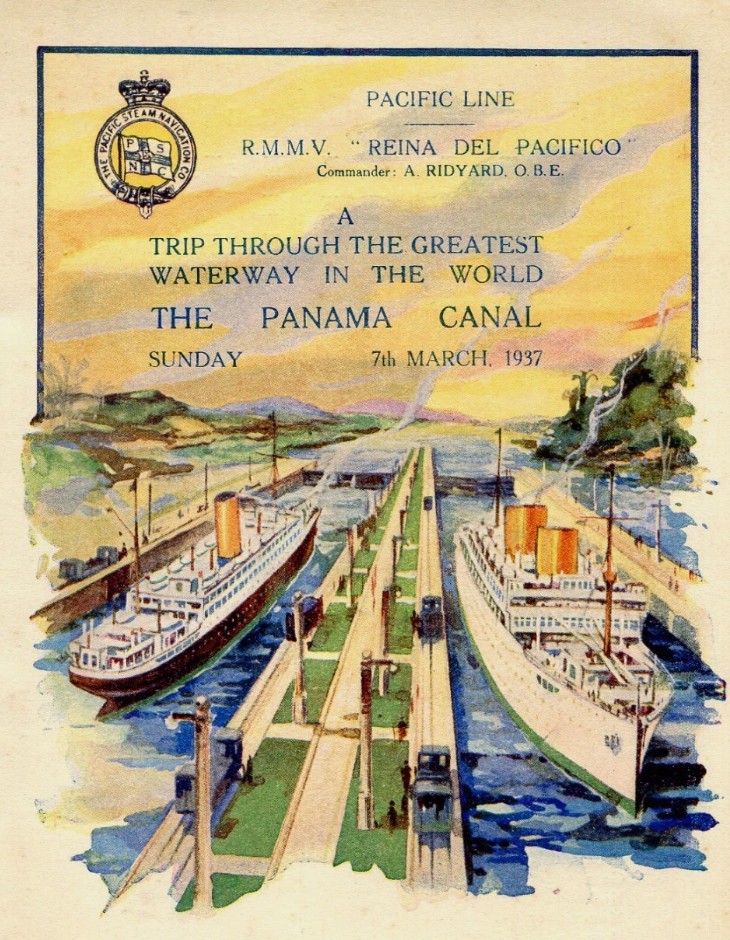

And to finish off, how cool is this menu from 1937 to celebrate The Queen of the Pacific, transiting The Greatest Waterway in the World !