A route to join the two oceans across the American continent, had been a goal since the days of the earliest explorers.
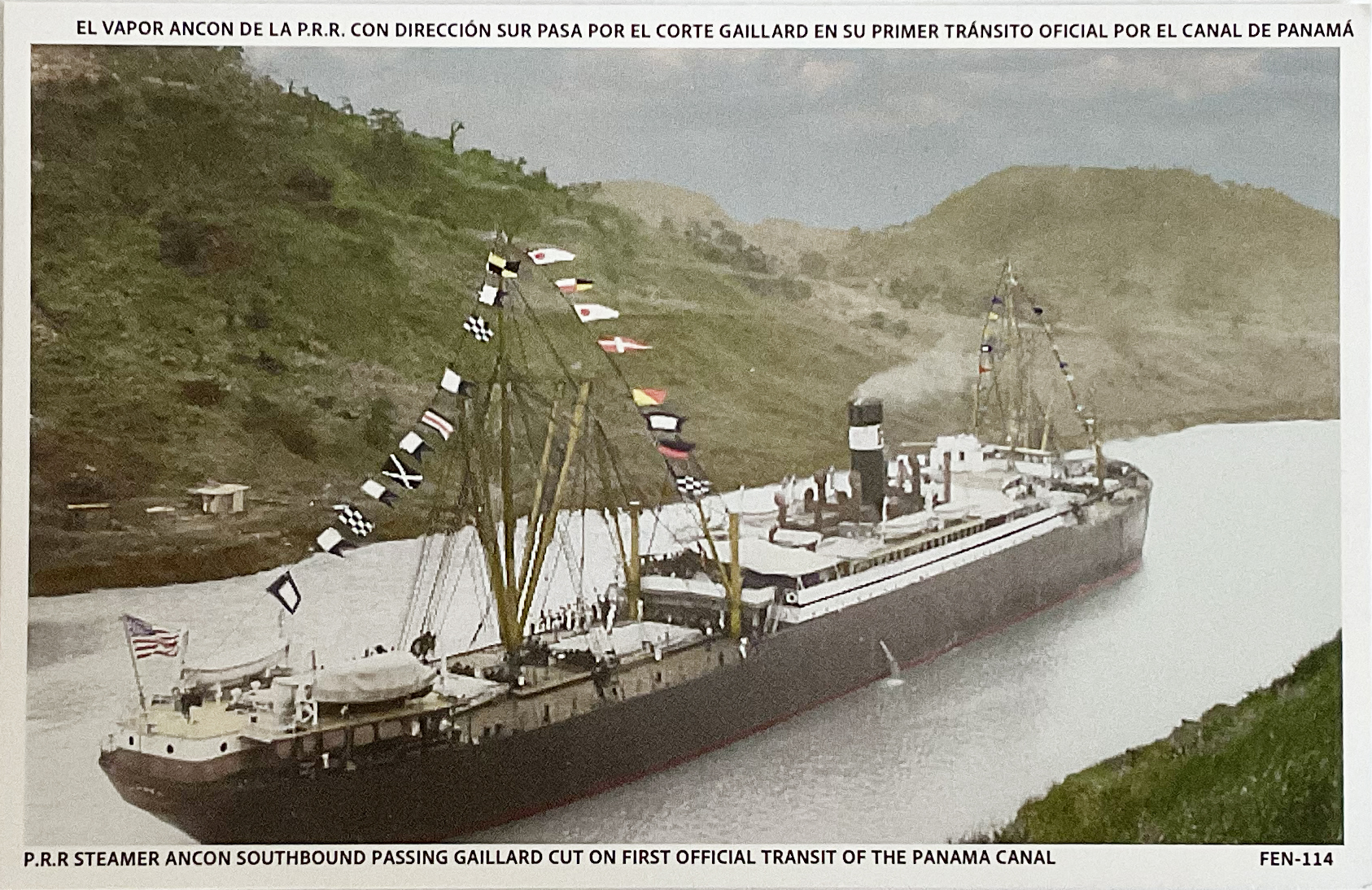
Some important points in Panama history leading to the day a commercial ship crossed the Isthmus of Panama
A route to join the two oceans across the American continent, had been a goal since the days of the earliest explorers.
Some important points in Panama history leading to the day a commercial ship crossed the Isthmus of Panama
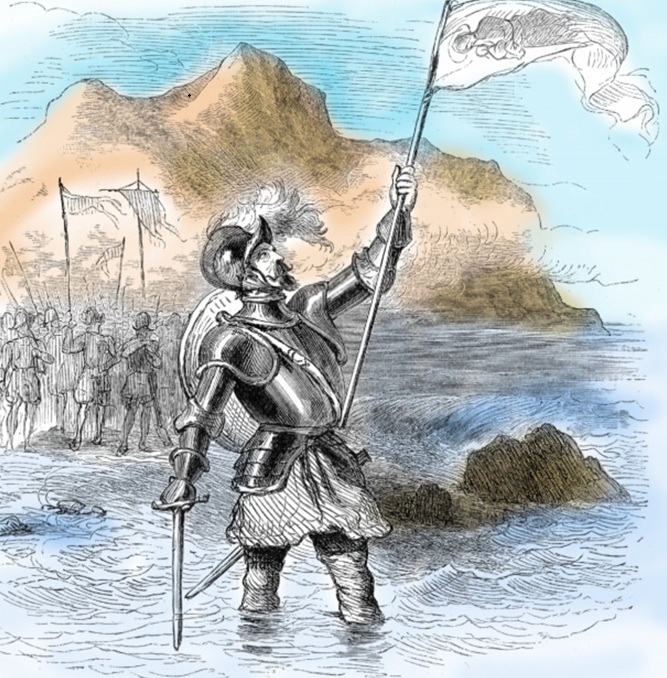
The Spanish explorer, Vasco Nunez de Balboa led an expedition from the Atlantic across the Isthmus of Darien in 1513 and discovered ‘another great ocean’. He named it the ‘Sea of the South’. We know it better as the Pacific Ocean.
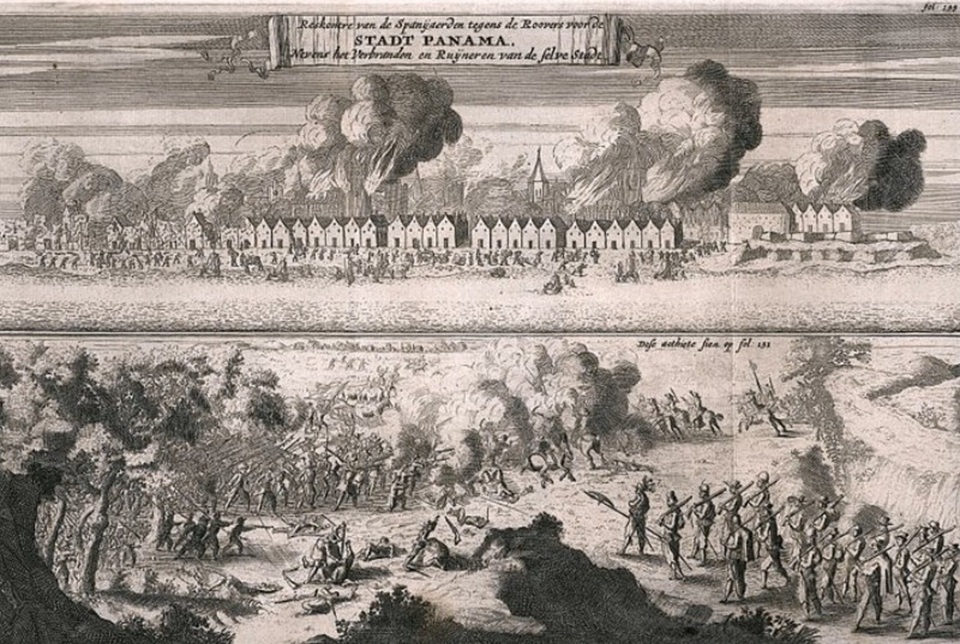
In 1671 the famous Welsh pirate Henry Morgan ransacked Panama City. He arrived at the fort of San Lorenzo (Atlantic side) with around 2000 pirates. Sailed up the Chagres River with 1200 men. Hacked their way through the jungle to reach Panama on the Pacific side. The Spanish were waiting, but the hungry pirates fought and captured the city. It was subsequently destroyed by fire. Most treasures were buried in the blaze or melted. however, Morgan recouped his money by ransoming the Spanish population back to their loved ones. The destroyed city with its churches and cathedral were never rebuilt and the new Panama sprang up 6 miles to the west.
Between 1698-1700 Scotland tried to establish a colony in the Darien Gap. William Patterson (founder of the Bank of England) was one of the major figures involved. The disaster that unfolded indirectly led to the act of union with England in 1707.
Gold was discovered in California in 1848. The USA did not get a cross-continent railway route till 1869, so other ways to cross East >West were needed. From 1849 large amounts of Prospectors (the old 49’ers) from eastern states used the Isthmus of Panama to access the Pacific coast. They travelled by ship to Colon and trekked by mule, canoe and foot to Panama City for onward travel to San Francisco.
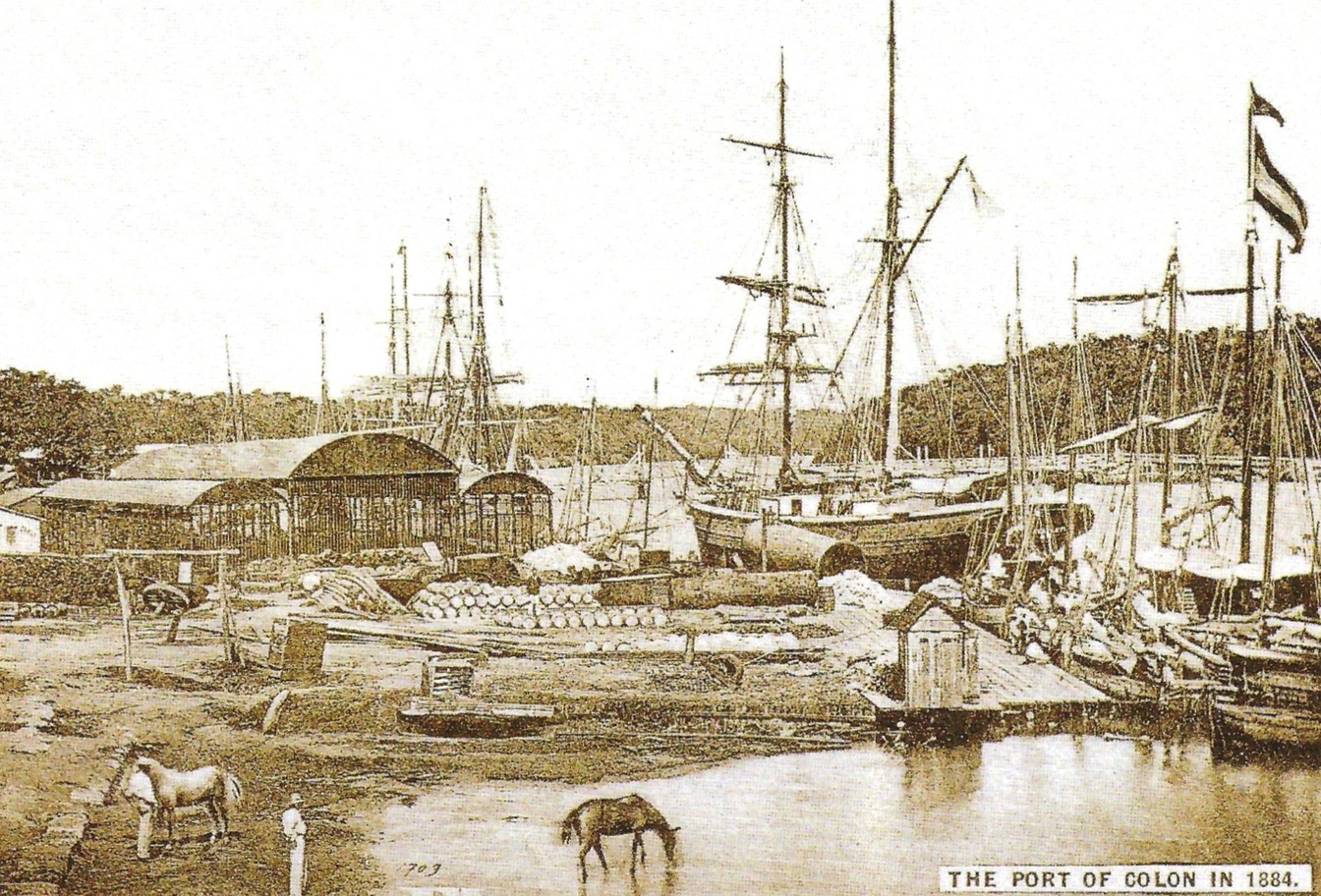
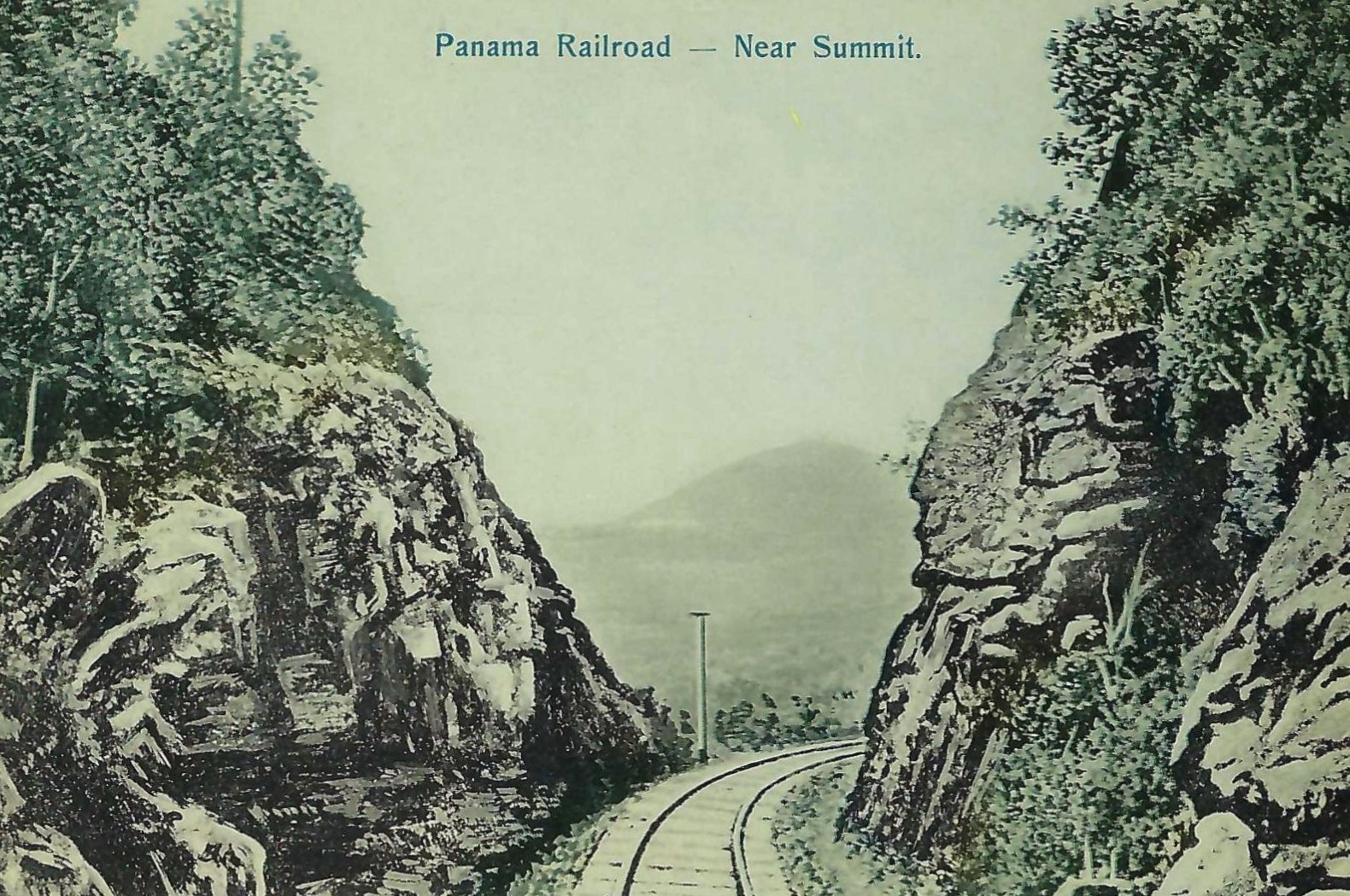
The sudden surge in need to cross the Isthmus led to a railway (47.5 miles long) being built by American William Aspinwall’s company. Work started in 1850. It was finally finished in 1855, costing between 5000 – 10,000 lives.
From the 1800’s there were several expeditions/surveys to gauge the best route to bridge the oceans. (American visits being the most thorough).19 different routes were considered. These then were then reduced as the century progressed to three strong candidates.
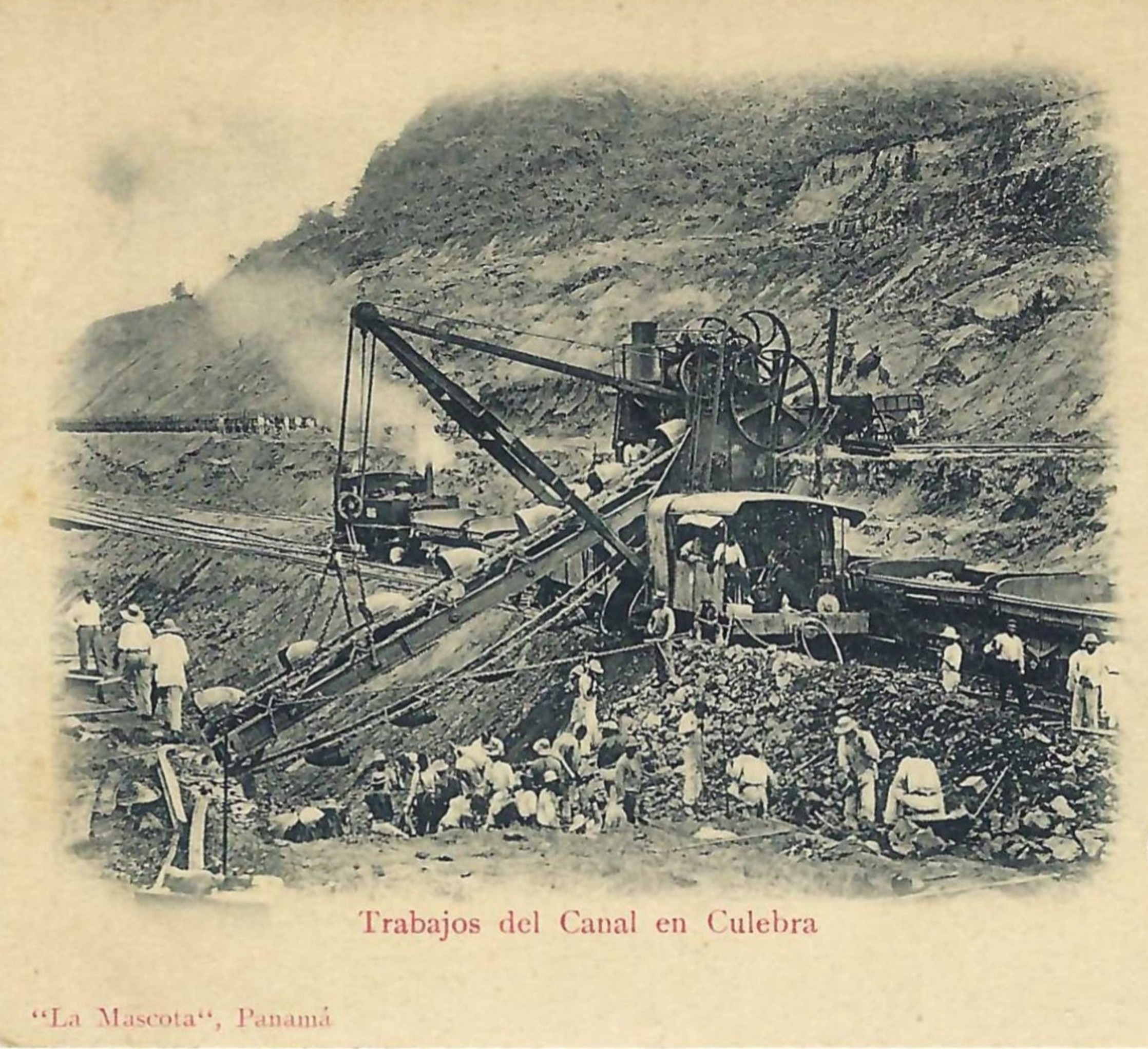
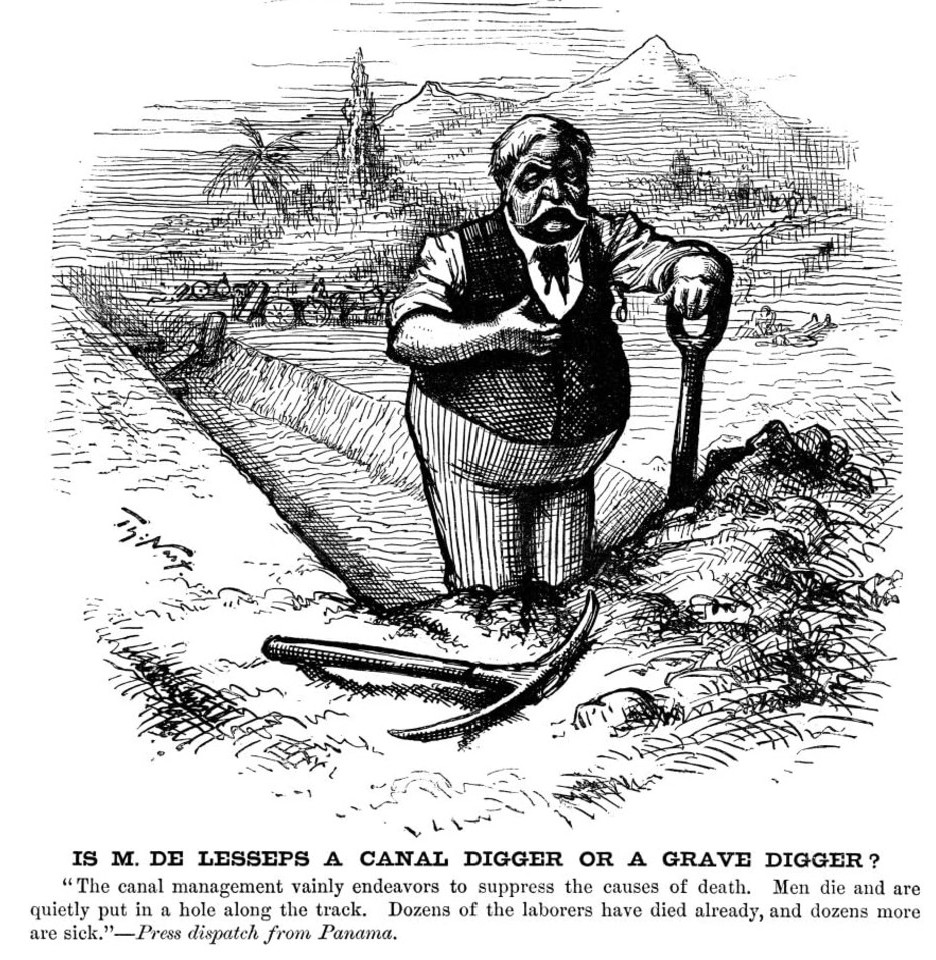
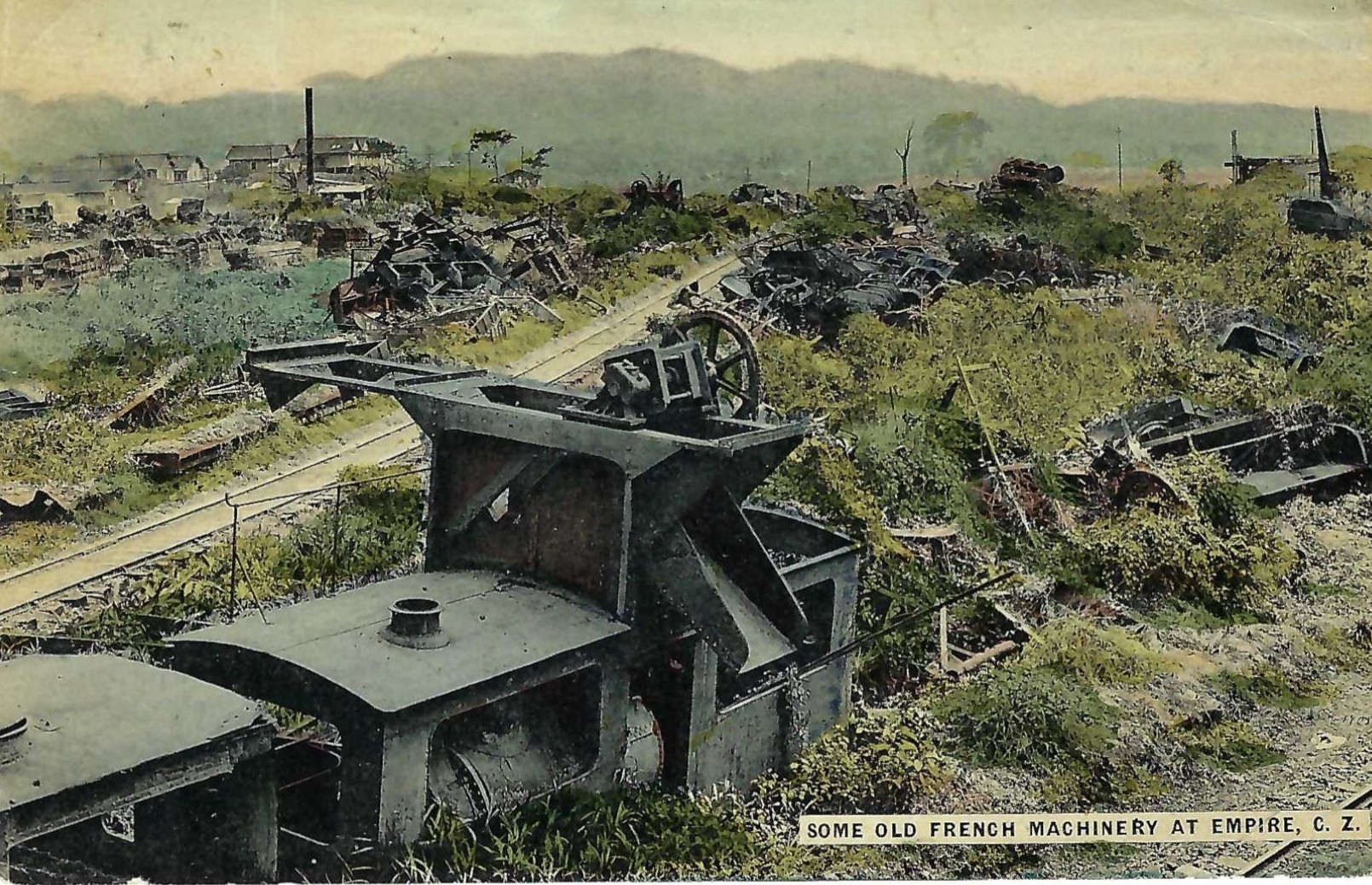
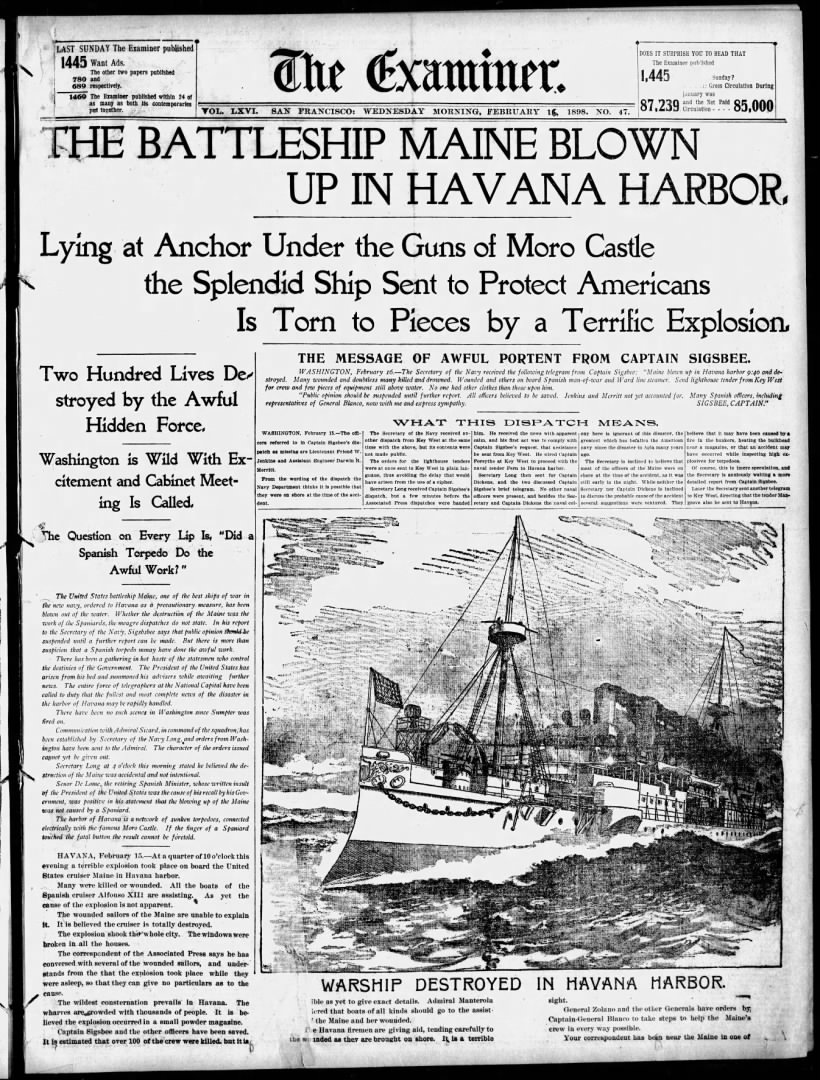
-
-
-
-
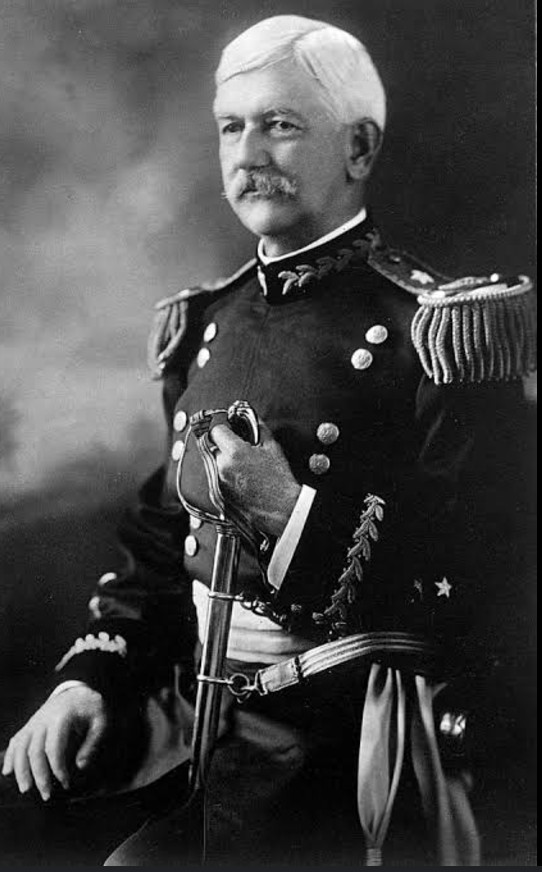
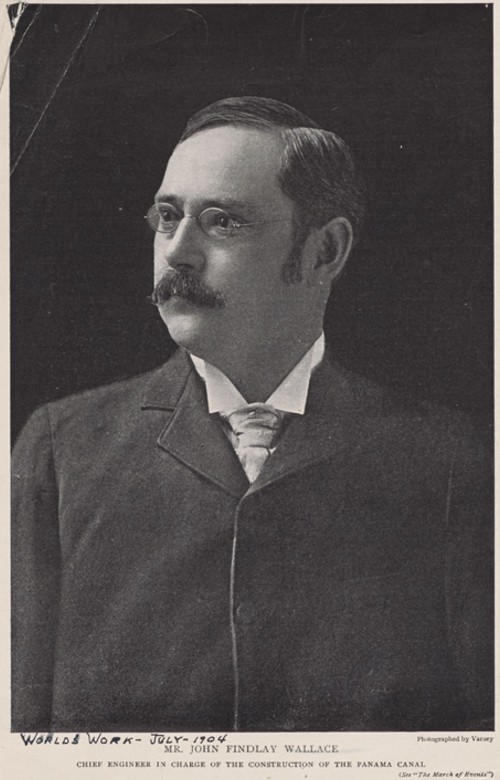
Gorgas was appointed Chief Sanitation Officer for the Canal Zone. He has experience with Mosquito borne diseases in Cuba. The missing link between Mosquitos and Yellow Fever/Malaria is now made. Immediately he begins a programme. After a while it starts to improve the issue and cases begin to decline :
A route to join the two oceans across the American continent, had been a goal since the days of the earliest explorers.
Some important points in Panama history leading to the day a commercial ship crossed the Isthmus of Panama
The Spanish explorer, Vasco Nunez de Balboa led an expedition from the Atlantic across the Isthmus of Darien in 1513 and discovered ‘another great ocean’. He named it the ‘Sea of the South’. We know it better as the Pacific Ocean.
In 1671 the famous Welsh pirate Henry Morgan ransacked Panama City. He arrived at the fort of San Lorenzo (Atlantic side) with around 2000 pirates. Sailed up the Chagres River with 1200 men. Hacked their way through the jungle to reach Panama on the Pacific side. The Spanish were waiting, but the hungry pirates fought and captured the city. It was subsequently destroyed by fire. Most treasures were buried in the blaze or melted. however, Morgan recouped his money by ransoming the Spanish population back to their loved ones. The destroyed city with its churches and cathedral were never rebuilt and the new Panama sprang up 6 miles to the west.
Between 1698-1700 Scotland tried to establish a colony in the Darien Gap. William Patterson (founder of the Bank of England) was one of the major figures involved. The disaster that unfolded indirectly led to the act of union with England in 1707.
Gold was discovered in California in 1848. The USA did not get a cross-continent railway route till 1869, so other ways to cross East >West were needed. From 1849 large amounts of Prospectors (the old 49’ers) from eastern states used the Isthmus of Panama to access the Pacific coast. They travelled by ship to Colon and trekked by mule, canoe and foot to Panama City for onward travel to San Francisco.
The sudden surge in need to cross the Isthmus led to a railway (47.5 miles long) being built by American William Aspinwall’s company. Work started in 1850. It was finally finished in 1855, costing between 5000 – 10,000 lives.
From the 1800’s there were several expeditions/surveys to gauge the best route to bridge the oceans. (American visits being the most thorough).19 different routes were considered. These then were then reduced as the century progressed to three strong candidates.


